

Halloween Candy and Your Teeth: What Actually Matters (and What Doesn't)
Every October, the same warnings start circulating: sugar is the enemy, candy is basically a cavity in wrapper form, and the only responsible move is to hand out toothbrushes instead of Snickers. Here's the more useful version of that conversation. Not all candy affects your teeth the same way, timing matters more than most people realize, and there's a real difference between "enjoy Halloween candy and move on with your life" and "let it sit in your mouth all evening." Let's get into what's actually going on.

Sugar Alone Isn't the Full Story
It's true that sugar feeds the bacteria in your mouth that cause cavities. When those bacteria break down sugar, they produce acid, and that acid is what erodes enamel over time. But the amount of sugar in a piece of candy matters less than how long it stays in contact with your teeth and how easily it gets cleared away by saliva. This is why two candies with similar sugar content can have very different effects on your teeth, and it's the reason dentists tend to sort Halloween candy into rough categories rather than treating it all as equally risky.
The Real Troublemakers: Sticky and Chewy Candy
If there's one category worth being genuinely cautious about, it's sticky, chewy candy, think taffy, caramels, gummy candies, and anything that clings to your molars on the way down. These candies don't just deposit sugar and leave. They physically stick to tooth surfaces and wedge into the grooves and gaps between teeth, which means the sugar sits there far longer than a quick snack should. That extended contact time gives bacteria a much longer window to produce acid exactly where it does the most damage.
There's also a structural risk with the chewier, denser candies, especially for anyone with existing dental work. Caramels and taffy have a real reputation for pulling out fillings or damaging crowns, not because the candy itself is uniquely destructive, but because the pulling and tugging motion of eating something sticky puts direct stress on restorations that weren't designed to be stress-tested by candy. If you've got older fillings or crowns, this is the category to genuinely moderate, not because one caramel will ruin your teeth, but because repeated exposure adds up.
The Surprisingly Okay Categories
Chocolate, on its own, is actually one of the better options in the Halloween bucket. It melts relatively quickly and rinses away from tooth surfaces faster than sticky candy does, which limits how long the sugar is sitting on your enamel. Dark chocolate in particular has less sugar than most other candy categories. It's not a health food, but relative to the rest of the bucket, it's genuinely one of the less concerning choices.
Sour candies are a slightly different case worth calling out specifically, because the concern isn't just sugar, it's acid. A lot of sour candy is coated in citric acid to create that tartness, and that acid can soften and erode enamel on its own, independent of the sugar content. Combine sour, chewy, and long-lasting, which describes a lot of sour gummy candy, and you've got a category that's arguably more concerning than a straightforward chocolate bar.
Hard candy sits in its own category too, and the concern there is less about how long it sits in your mouth, since it dissolves slowly rather than sticking around, and more about the fact that people dissolve it slowly on purpose. A lollipop that takes twenty minutes to finish means twenty minutes of near-constant sugar exposure, even though the candy itself isn't sticky. There's also a straightforward physical risk with hard candy: biting down on it, rather than letting it dissolve, is a common way people crack a tooth or damage existing dental work.
The Timing Strategy That Actually Makes a Difference
If there's one piece of advice that matters more than which specific candy your kids bring home, it's this: eat candy with meals or shortly after, rather than grazing on it throughout the day or evening. Your mouth produces more saliva during and after eating a full meal, and saliva is one of your body's best natural defenses against the acid that sugar creates, since it helps neutralize acid and rinse sugar away. Grazing on candy steadily throughout the afternoon, on the other hand, keeps your mouth in a near-constant low-level acid state, which is worse for your teeth than eating the same amount of candy in one sitting.
This is a genuinely practical strategy for Halloween specifically, since it's the one holiday where kids come home with a haul designed to be rationed out over days or weeks. Rather than a strict "no candy" rule, which tends to backfire anyway, a "candy happens after dinner, not as an all-day snack" rule does more for dental health with a lot less friction.
Rinsing, Brushing, and What Actually Helps
Brushing right after eating candy feels like the responsible move, but dentists generally recommend waiting twenty to thirty minutes if you can, especially after anything acidic like sour candy. Enamel is temporarily softened by acid exposure, and brushing immediately can actually do more wear on that softened enamel than brushing after it's had a chance to reharden. In the meantime, rinsing with water, or even just drinking water alongside candy, helps clear sugar and dilute acid without the abrasion of a toothbrush.
If waiting isn't practical, chewing sugar-free gum after candy is a solid middle-ground option. It stimulates saliva production, which does a lot of the same rinsing and neutralizing work, without the wait.
What This Actually Looks Like for Halloween Night
None of this is an argument for banning candy or treating Halloween like a dental emergency waiting to happen. It's genuinely fine to let a holiday be a holiday. The practical version of good dental habits here is pretty simple: steer toward chocolate over sticky or sour candy when there's a choice, eat candy in a sitting rather than grazing on it for hours, rinse or wait before brushing, and keep an eye on anyone in the family with existing fillings or crowns around the stickier stuff.
And if this is the season you're noticing a filling feels loose, a crown seems off, or a piece of candy did something to your tooth that didn't feel right, that's worth a quick look rather than a wait-and-see approach. Small issues caught early are almost always a simpler, less expensive fix than the same issue after months of continued stress on the area.
Halloween candy isn't the dental villain it's sometimes made out to be, as long as it's handled with a little bit of intention rather than treated as background noise for a few weeks every fall. Enjoy the holiday, make smart choices where they're easy to make, and if anything feels off afterward, come see us.
If you or your kids are due for a checkup before or after the holiday rush, now's a great time to get on the schedule.

Can Fall Allergies Actually Cause Tooth Pain? The Sinus Connection Explained
If you've ever had a toothache show up out of nowhere during allergy season, with no cavity, no cracked tooth, and no obvious explanation, you're not imagining things and you're not alone. Fall allergies and dental discomfort are more connected than most people realize, and understanding why can save you an unnecessary trip to the dentist chasing a problem that's actually coming from your sinuses. It can also help you catch the cases where it's genuinely a dental issue that just happens to be flaring up at the same time as allergy season. Here's how to tell the difference.

Why Your Sinuses and Your Teeth Are Closer Than You Think
The roots of your upper back teeth, your molars and premolars, sit remarkably close to your maxillary sinuses, the pair of air-filled cavities located behind your cheekbones, above your upper jaw. In a lot of people, that gap is thin enough that inflammation or pressure in the sinuses can translate directly into pain that feels exactly like it's coming from a tooth. When fall allergies kick in and your sinuses become inflamed and congested, that swelling puts pressure on the surrounding structures, and for some people, that pressure is felt as a dull, aching pain across the upper back teeth rather than as classic sinus pressure in the forehead or cheeks.
This is a well-documented phenomenon and it has a name, sinus-related toothache, and it's one of the more common reasons people show up at a dentist's office during allergy season convinced they have a cavity or an infection, only to find nothing wrong with the teeth themselves.
How to Tell If It's Your Sinuses or Your Teeth
There are a few patterns that tend to point toward sinuses rather than a genuine dental problem. Sinus-related tooth pain usually affects multiple upper back teeth at once rather than a single tooth, since sinus pressure doesn't isolate to one root the way a cavity or infection would. It also tends to get noticeably worse when you bend forward, lean your head down, or lie flat, because those positions increase pressure in the sinus cavities. And it's usually accompanied by other classic allergy or sinus symptoms happening around the same time, congestion, a stuffy or runny nose, pressure across the cheeks or forehead, or a feeling of fullness in the face.
Genuine dental pain, by contrast, tends to be more localized to a single tooth, often gets worse with hot or cold temperatures or with biting pressure specifically, and doesn't shift when you change your head position. If you press on the tooth or tap it and it's noticeably sensitive compared to its neighbors, that's a sign pointing toward an actual dental issue rather than sinus pressure.
If you're genuinely unsure, and a lot of people are, that's a completely reasonable reason to see a dentist. A quick exam and, if needed, an X-ray can usually rule out or confirm a dental cause pretty quickly, which is a lot more useful than guessing and either ignoring a real problem or worrying unnecessarily about a fake one.
The Dry Mouth Problem Nobody Talks About
There's a second, less obvious way fall allergies affect your dental health, and it has nothing to do with sinus pressure. Between nasal congestion pushing people toward mouth breathing and the antihistamines a lot of people take to manage allergy symptoms, allergy season is a surprisingly common trigger for dry mouth, and dry mouth is a bigger deal for your teeth than most people realize.
Saliva does a lot of quiet, unglamorous work protecting your teeth. It neutralizes the acid produced by bacteria, washes away food particles and sugar, and actually helps remineralize enamel throughout the day. When you're breathing through your mouth because your nose is blocked, or when an antihistamine is drying things out as a side effect, that protective saliva flow drops, and your risk for cavities and gum irritation goes up correspondingly. It's also just uncomfortable, dry mouth tends to come with bad breath and a persistent unpleasant taste, on top of the increased dental risk.
The fix here is fairly simple and doesn't require giving up your allergy medication. Drinking more water throughout the day, especially if you know you're on an antihistamine, helps offset the drying effect. Sugar-free gum is genuinely useful here too, since chewing stimulates saliva production directly. And if congestion is pushing you into mouth breathing at night, treating the underlying congestion, whether that's a saline rinse, a humidifier in the bedroom, or whatever your physician recommends, helps address the root cause rather than just managing the dental side effect.
Postnasal Drip and Bad Breath
One more allergy-season connection worth knowing about: postnasal drip, where mucus from congested sinuses drains down the back of the throat, can contribute to bad breath. That mucus creates an environment that odor-causing bacteria are happy to take advantage of, particularly on the back of the tongue. If you've noticed your breath is worse than usual during allergy season and your normal oral hygiene routine hasn't changed, postnasal drip is a very plausible explanation, and it's worth mentioning to your dentist if it's a recurring seasonal pattern, since gentle tongue cleaning as part of your routine can help more than people expect.
What to Actually Do About It
If you're dealing with what seems like sinus-related tooth pain, the most useful first step is usually managing the underlying allergy or sinus congestion, since the tooth pain should ease as the sinus pressure resolves. That might mean an antihistamine, a decongestant, a saline rinse, or whatever your physician typically recommends for your allergies. If the pain doesn't improve as your congestion clears, or if it's isolated to one specific tooth rather than a general area, that's the point where it's worth having a dentist take an actual look, because it may mean there's a real dental issue that just happened to line up with allergy season by coincidence.
And if dry mouth has been a recurring issue during allergy months, it's worth mentioning at your regular dental visits even if nothing feels urgent right now. A small pattern of seasonal dry mouth, left unaddressed year after year, can meaningfully increase cavity risk over time, and it's a much easier problem to manage proactively than to treat after it's caused damage.
Fall allergy season is annoying enough without adding unnecessary dental worry to the mix, and knowing the difference between sinus pressure and an actual tooth problem goes a long way toward that. When in doubt, a quick check is always the simpler path than guessing.
If allergy season has you dealing with tooth discomfort that isn't going away, or it's just been a while since your last checkup, we're happy to take a look and help you figure out what's actually going on.
Why "Cosmetic Dentistry" Isn't Just Vanity
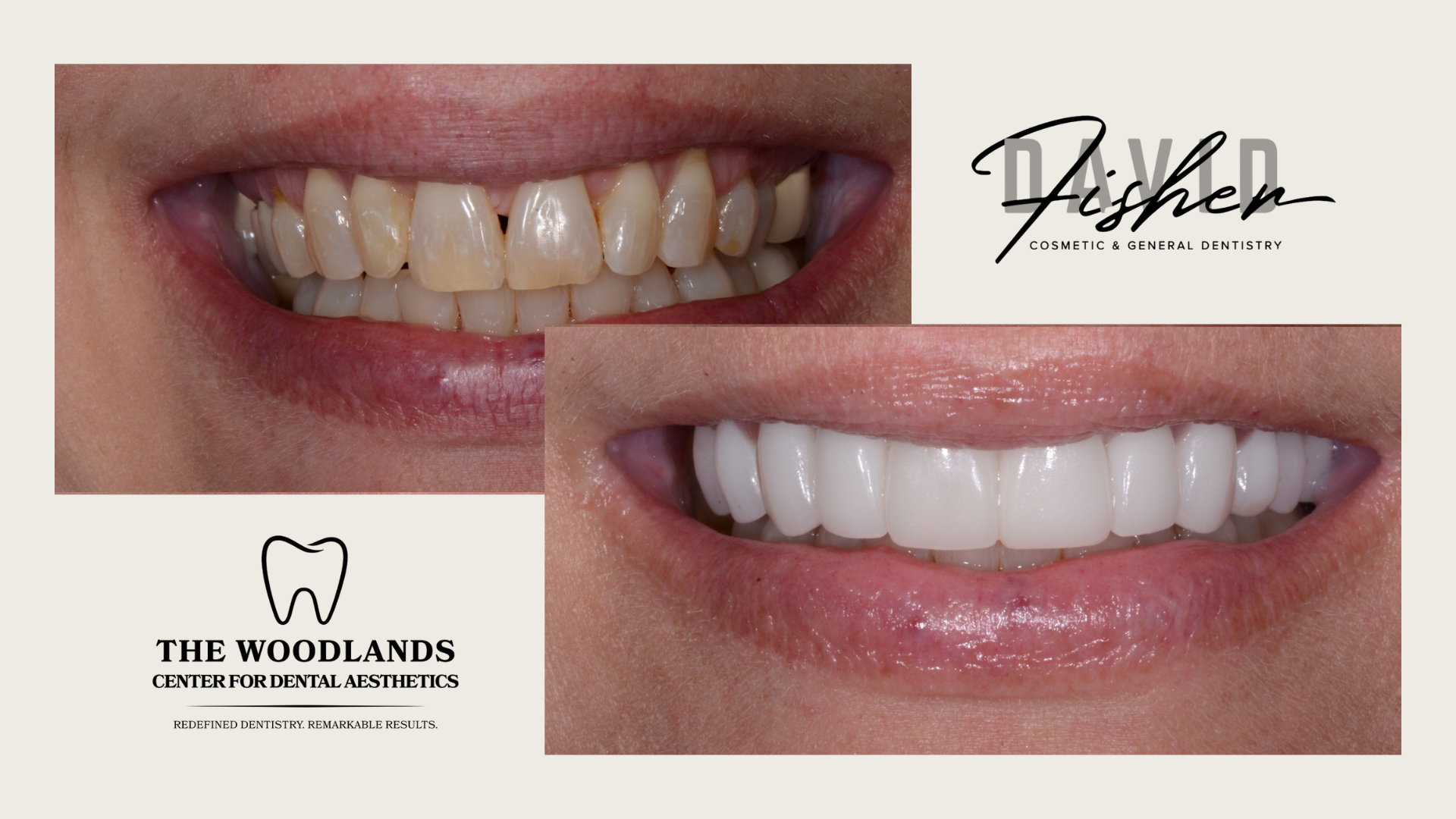
There's a quiet hesitation a lot of people feel before booking a cosmetic dentistry consultation, a sense that wanting to fix their smile is somehow indulgent, or that it should sit pretty far down the priority list behind "real" dental needs. It's an understandable instinct. But it's also based on a narrower idea of what cosmetic dentistry actually does than what's true in practice. Once you look closely at what these treatments involve and what they actually fix, the line between "cosmetic" and "necessary" gets a lot blurrier than the name suggests.
The Word "Cosmetic" Is Doing You a Disservice
Part of the issue is just branding. "Cosmetic" implies surface-level, optional, purely about appearance. But most cosmetic dental treatments were developed to solve functional problems, and the aesthetic improvement is often a byproduct of fixing something that was never just about looks to begin with.
Take a chipped tooth. Yes, bonding it back into shape improves how it looks. But an untreated chip is also a weak point, more prone to further cracking, more likely to trap bacteria along the fracture line, and more likely to cause sensitivity when you bite down. Fixing it cosmetically is also fixing it structurally. Or take a bite that's slightly misaligned because of uneven, worn, or crowded teeth. Correcting that with veneers or orthodontics doesn't just make your smile look more even, it often reduces the abnormal wear patterns and jaw strain that come from a bite that's been compensating for years.
The treatments live under the cosmetic umbrella because they change appearance, but the underlying problems they address are frequently about health and function first.
Confidence Is Not a Trivial Outcome
Even setting the structural argument aside, it's worth pushing back on the idea that improving how you feel about your smile is a frivolous goal. Your mouth is one of the most visible, most expressive parts of your body. It's involved in nearly every social interaction you have. Research on self-perception consistently finds that people who feel self-conscious about their smile smile less, speak less openly in social and professional settings, and report lower confidence in situations where they're being seen or heard, which is most situations.
That's not vanity, that's the ordinary human experience of wanting to move through the world without a persistent, low-grade source of self-consciousness. If a smile makeover means someone stops covering their mouth when they laugh, or feels comfortable smiling in photos again, or walks into a job interview without one more thing to worry about, the value of that isn't cosmetic. It's genuinely psychological, and it's real.
The Overlap With Preventive and Restorative Care
Cosmetic dentistry rarely operates in isolation. In practice, a lot of what looks like a purely cosmetic case turns out to have a preventive or restorative component once a dentist actually examines the mouth. Discoloration can sometimes point to enamel erosion that needs monitoring. Gaps between teeth can create spots where food and plaque accumulate more easily, contributing to decay or gum issues over time. Old, worn-down dental work from years ago might be both unattractive and structurally due for replacement.
This is one of the real advantages of seeing a dentist who treats cosmetic and restorative work as connected rather than separate categories. A consultation that starts with "I don't love how my teeth look" often ends up addressing things the patient didn't even realize were related, because a good cosmetic dentist is evaluating the whole picture, not just matching a shade guide.
Reframing What Self-Care Means at the Dentist
There's a broader cultural shift happening around what counts as legitimate self-care, and it's worth applying here. Nobody blinks at getting a massage for a sore back, going to physical therapy for a nagging injury, or seeing a dermatologist about skin that's bothering you, even when none of those things are life-threatening. Investing in how your smile looks and feels sits in exactly the same category. It's proactive care for something that affects your daily life and your relationship with your own appearance, not an indulgence reserved for people with nothing more pressing to worry about.
That reframe matters because it changes the question people ask themselves before booking a consultation. Instead of "do I really need this," the more useful question is "would this meaningfully improve something I think about regularly." If the answer is yes, that's reason enough. You don't need a medical justification to want to like your smile.
What This Looks Like in Practice
None of this is to say every cosmetic treatment is secretly medically necessary, some genuinely are about preference, and that's completely fine too. The point is that the "vanity" label undersells what's actually on the table. Whitening can be purely aesthetic. Bonding a chip is aesthetic and protective. Veneers can correct alignment issues that affect your bite. Even something as simple as replacing an old, discolored filling with a tooth-colored one is cosmetic in name but often overdue in function.
A good consultation doesn't start by assuming you want the most dramatic option available. It starts by listening to what's actually bothering you, examining what's going on beneath the surface, and building a plan that addresses both. Sometimes that plan is entirely aesthetic. Often it's more layered than that. Either way, wanting to feel good about your smile is a completely legitimate reason to sit in the chair.
If there's something about your smile you've been putting off addressing, whether it's a small chip you've learned to hide or a bigger change you've been thinking about for years, a consultation is a low-pressure way to find out what's actually involved. No assumptions, no judgment, just an honest look at your options.
Give us a call or visit our site to get started.
(713) 667-8080 | davidfisherdds.com | dfisherstaff@gmail.com Bellaire and The Woodlands, TX
Single Tooth vs. Full Arch: Understanding Your Implant Options
Most people think about dental implants in pretty narrow terms: you lose a tooth, you get a screw and a crown, done. That's true for plenty of cases, but it's only one end of a much wider spectrum. Implant dentistry covers everything from replacing a single missing tooth to rebuilding an entire arch of teeth on just a handful of implants. If you're missing more than one tooth, or you're staring down a mouth full of failing dental work, knowing where you actually fall on that spectrum changes the whole conversation with your dentist.
The Single Tooth Implant: The Baseline Case
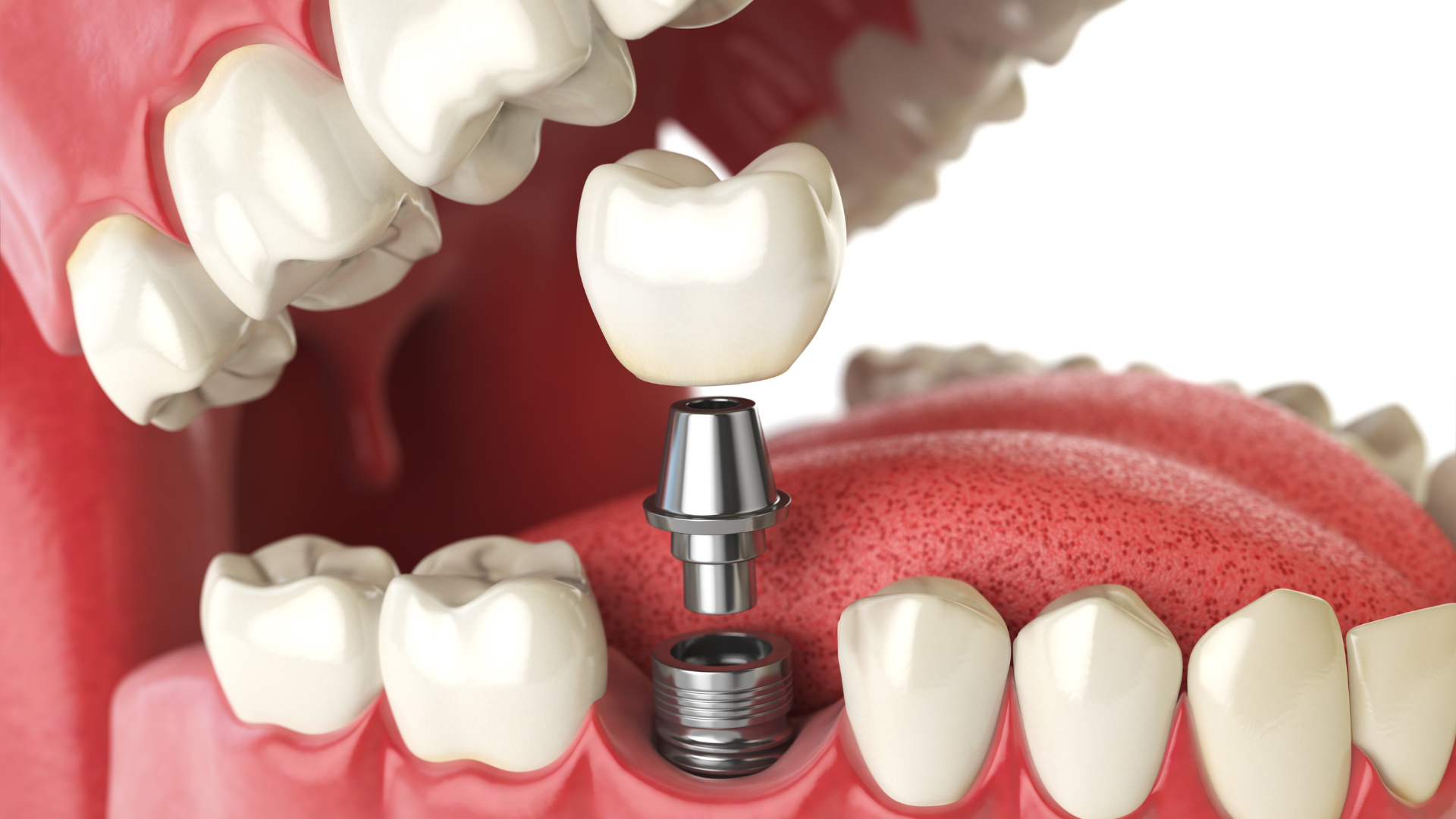
This is the version most people picture, and it's a genuinely elegant solution. A titanium post is placed into the jawbone where the tooth root used to be. Over the following months, the bone fuses to that post in a process called osseointegration, essentially turning it into a new root. Once that's solid, a custom crown gets attached on top, matched to the color and shape of your surrounding teeth.
The reason single implants have become the gold standard for replacing one missing tooth, ahead of older options like a bridge, comes down to what they don't require. A traditional bridge needs the two neighboring teeth to be filed down to serve as anchors, which means altering healthy teeth to fix a problem with one that isn't. An implant stands entirely on its own. Nothing else in your mouth has to be touched, and because it's replacing the root and not just the crown, it also helps preserve the jawbone in that area, which naturally starts to shrink once a tooth root is gone.
The timeline is the main thing to plan around. Between the initial placement, the healing period, and the final crown, a single implant is typically a several-month process, not a single appointment. That's not a flaw, it's just biology, bone needs time to properly integrate. But the upside is a result that, cared for properly, is built to last decades.
When You're Missing Several Teeth: It's Not Just "More Single Implants"
If you're missing multiple teeth, especially several in a row, the conversation shifts. You could, in theory, place an individual implant for every missing tooth, but that's often not the most efficient or cost-effective path, and it's rarely necessary. Instead, your dentist will usually look at implant-supported bridges, where a small number of implants are placed strategically and a multi-tooth bridge is anchored across them. Three missing teeth in a row might only need two implants supporting a three-unit bridge, for example.
This is where the planning gets more interesting than a single tooth case. It's not just about filling gaps, it's about understanding the bigger picture of your bite, your jawbone density in each area, and how the remaining natural teeth are holding up. A thorough exam, often including a 3D scan, is what tells your dentist exactly how many implants you need and where they should go to support everything properly.
Full Arch: When It's Time to Rebuild the Whole Picture
Full arch replacement is the option for people who are either missing most or all of their teeth in the upper or lower jaw, or who have a mouth full of failing dental work, old crowns, root canals, or teeth that just haven't held up. This is a bigger decision, and it's also where implant dentistry has made some of its most meaningful progress in recent years.
The approach that's changed the game here is full-arch implant bridges, sometimes referred to by trade names you may have heard, like All-on-4. Instead of an implant for every missing tooth, which for a full arch could mean upwards of ten implants, this technique uses as few as four to six strategically placed implants to support an entire arch of replacement teeth. The implants are angled and positioned to make the most of the bone that's actually available, which is a big deal for patients who've experienced bone loss after years without teeth in that area.
The result is a full arch of fixed, non-removable teeth anchored to just a handful of implants. That's a meaningful upgrade over traditional dentures in almost every way that matters day to day. Fixed implant bridges don't slip, don't need adhesive, don't limit what you can eat, and don't put pressure on the gums the way a removable denture does over time. For patients who've lived with loose or uncomfortable dentures, the difference isn't cosmetic, it's a genuine quality of life change.
Full Mouth Rehabilitation: The Broadest Category
Sometimes what looks like a "just get some implants" situation is actually a full mouth rehabilitation case, where implants are one piece of a larger plan that might also include crowns, bridges, and bite correction across the whole mouth. This usually applies to patients dealing with a combination of issues built up over years, worn teeth, old restorations that have failed, bite problems, or a mix of missing and compromised teeth. Rather than treating each issue separately, a full mouth rehabilitation plan looks at the whole mouth as one connected system and builds a sequence of treatment that addresses function, health, and appearance together.
This is genuinely complex planning, and it's also where experience matters most. Getting the bite right across a full rehabilitation, so the new teeth work in harmony rather than creating new wear patterns, takes real expertise in restorative and implant dentistry together.
How to Actually Figure Out Where You Fall
The honest truth is that you don't need to diagnose yourself here. What's useful is walking into a consultation with a clear sense of your own situation: how many teeth are missing or at risk, whether you're dealing with loose or uncomfortable dentures currently, and what your day-to-day frustration actually is, whether that's function, appearance, or both. From there, a proper exam, including imaging that shows your bone structure, is what actually determines whether you're looking at a single implant, an implant-supported bridge, a full arch solution, or a broader full mouth rehabilitation plan.
What's true across all of these options is that modern implant dentistry has gotten remarkably good at meeting people where they are, rather than forcing everyone through the same process. Whether you're dealing with one stubborn gap or a mouth that needs a fresh start, there's very likely a path that gets you back to eating, smiling, and talking without thinking twice about your teeth.
If you're missing one tooth or several, or you're just tired of dentures that don't quite work the way they should, let's talk through it. A consultation is the easiest way to understand exactly what your mouth needs and what the timeline and options actually look like for your case.
Give us a call or visit our site to schedule a consultation in Bellaire or The Woodlands.
(713) 667-8080 | davidfisherdds.com | dfisherstaff@gmail.com Bellaire and The Woodlands, TX
Cosmetic Dentistry Isn't Just for Hollywood — Here's What It Actually Includes
When most people hear "cosmetic dentistry," they picture bleached-white veneers on a TV personality. And sure, that's part of the world — but it's a pretty narrow slice of it. Cosmetic dentistry is really just the umbrella term for any dental work that's focused on improving how your smile looks, and it covers a surprisingly wide range of treatments, from quick and affordable to more involved.
If you've ever wished something about your smile was a little different — the color, the shape, a gap, a chip — there's a good chance cosmetic dentistry has an option for it.
Teeth whitening
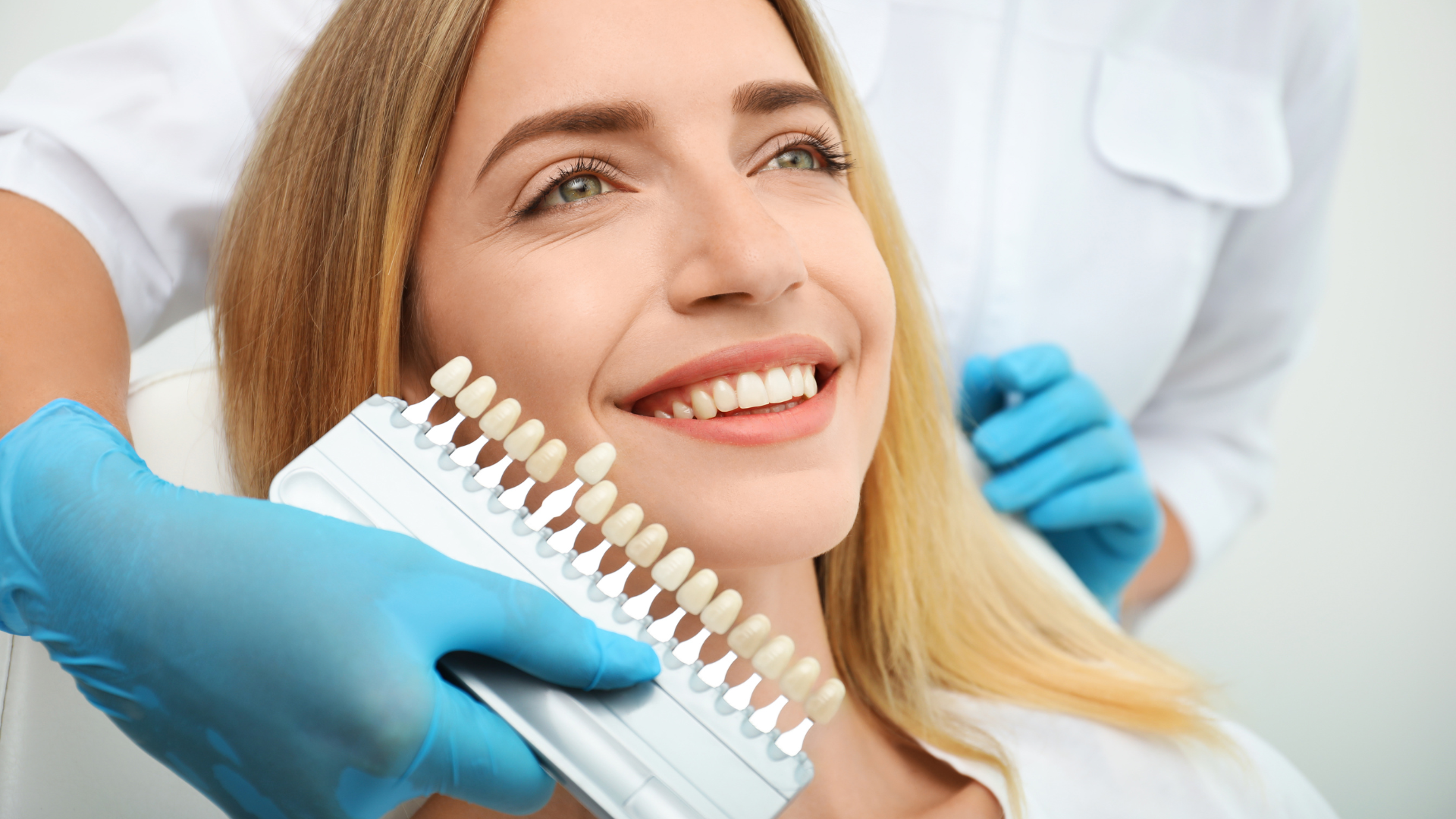
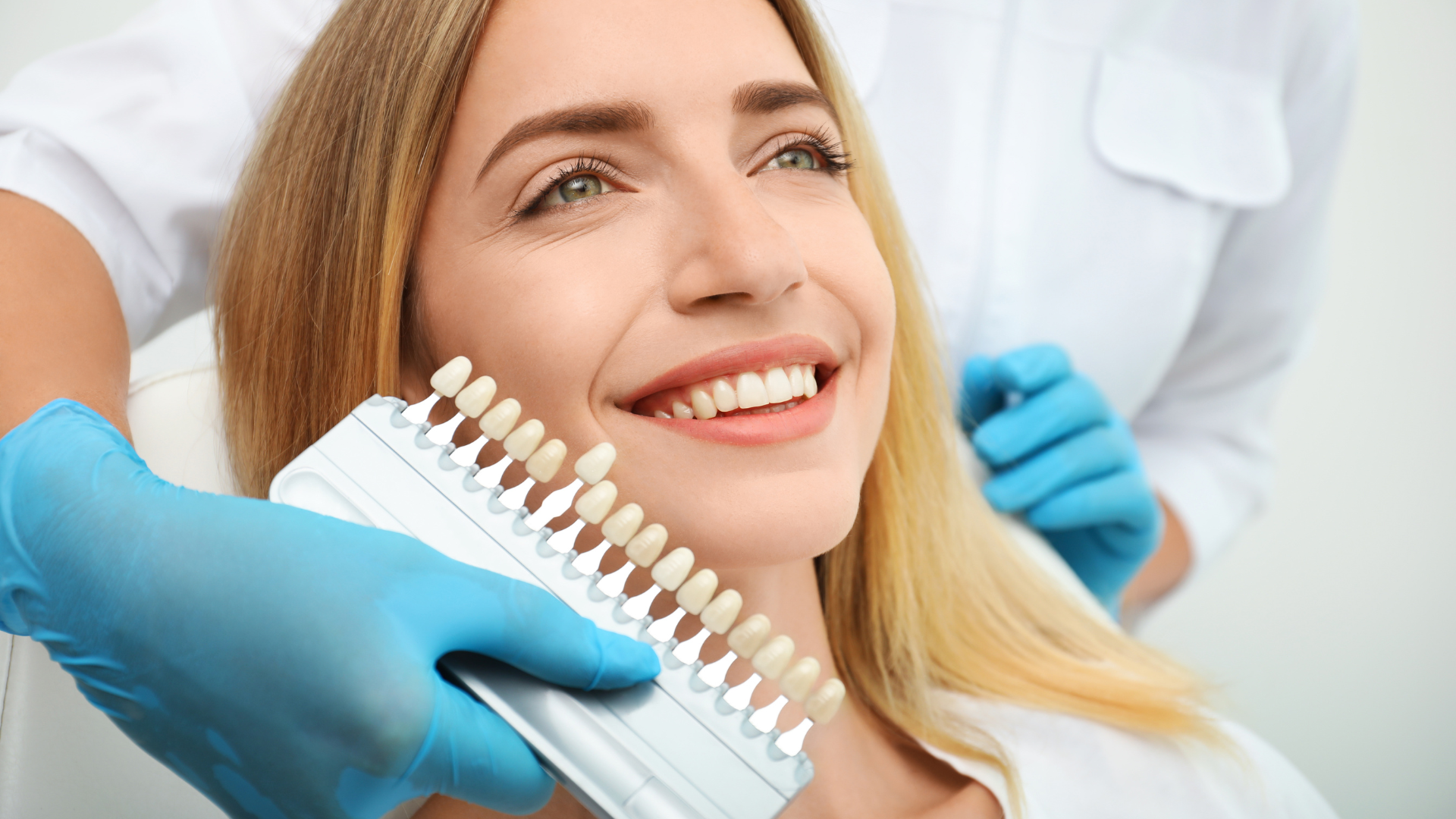
The most popular cosmetic treatment by a significant margin. Professional whitening (done in-office or with custom take-home trays from your dentist) uses higher-concentration bleaching agents than anything you'd find at a drugstore, which means better and faster results. In-office treatments can lighten teeth by several shades in a single appointment. It's one of the easiest ways to refresh your smile without changing anything structural.
Worth knowing: whitening works on natural tooth enamel, not on crowns, veneers, or bonding — something to keep in mind if you have existing dental work.
Bonding
Dental bonding is one of those treatments that's genuinely underrated. A tooth-colored resin is applied directly to the tooth, shaped, and hardened with a curing light. It's used to fix chips, small cracks, gaps, slightly misshapen teeth, and minor discoloration. The whole thing usually takes one appointment, no anesthesia needed, and it's among the most affordable cosmetic options out there.
The trade-off is durability — bonding isn't as strong as porcelain and can chip or stain over time, so it works best for smaller concerns.
Veneers
This is the treatment people are usually thinking of when they imagine a dramatic smile transformation. Veneers are thin shells of porcelain (or composite) that are custom-made and bonded to the front surfaces of your teeth. They can change color, shape, size, and length all at once, which is why they're so popular for comprehensive smile makeovers.
Porcelain veneers are incredibly natural-looking and stain-resistant, and with good care they can last 10–15 years or longer. The process typically involves removing a small amount of enamel (which makes it a permanent commitment), so it's worth having a thorough conversation with your dentist before going this route.
Crowns
Crowns often fall under restorative dentistry too, but when a tooth-colored crown is placed on a visible tooth for aesthetic reasons — or when an old metal crown gets replaced — it absolutely counts as cosmetic work. Modern ceramic crowns are designed to blend seamlessly with surrounding teeth.
Gum contouring
Smile aesthetics aren't all about the teeth. If you have a "gummy" smile or uneven gum line, gum contouring uses a laser to reshape the tissue and expose more of the tooth surface. It's quick, minimally invasive, and can make a surprisingly big difference in how balanced a smile looks.
Invisalign and clear aligners
Straightening teeth is cosmetic dentistry too. Clear aligner therapy has made orthodontic treatment way more accessible for adults who want straighter teeth without metal brackets. Depending on the complexity of the case, treatment can take anywhere from a few months to a couple of years.
Is cosmetic dentistry right for you?
The best cosmetic work tends to start with healthy teeth and gums — most treatments aren't a great idea if there are underlying issues that haven't been addressed first. A cosmetic consultation is really just a conversation about what you'd like to change and what options make sense for your situation. There's no pressure, and you might be surprised how simple (and affordable) some fixes can be.
The goal isn't a perfect set of teeth that look like they belong on a billboard. It's a smile that makes you feel good — whatever that means for you.
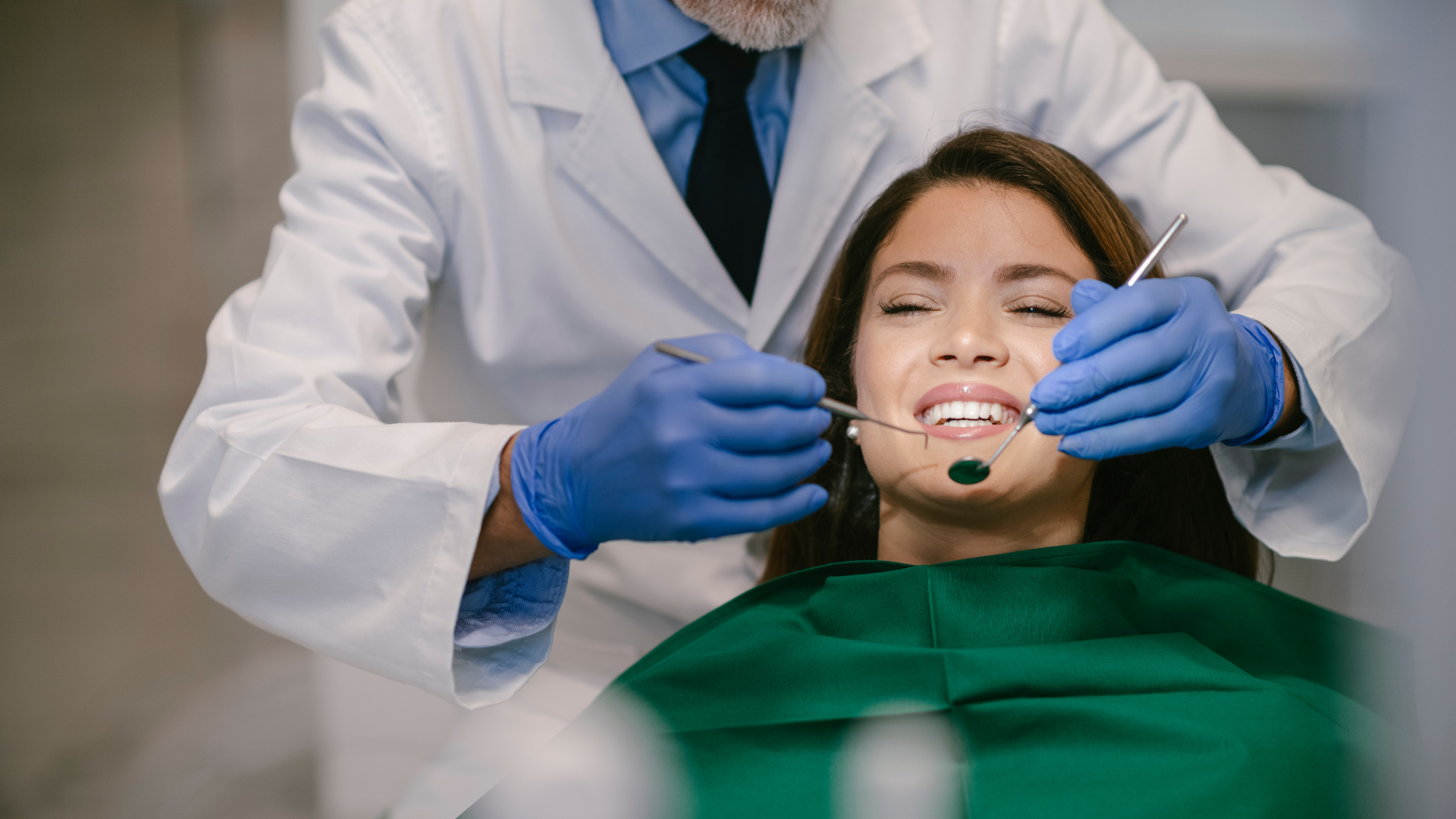
Your Mouth Is Basically a Time Capsule — And That's Why Cleanings Matter
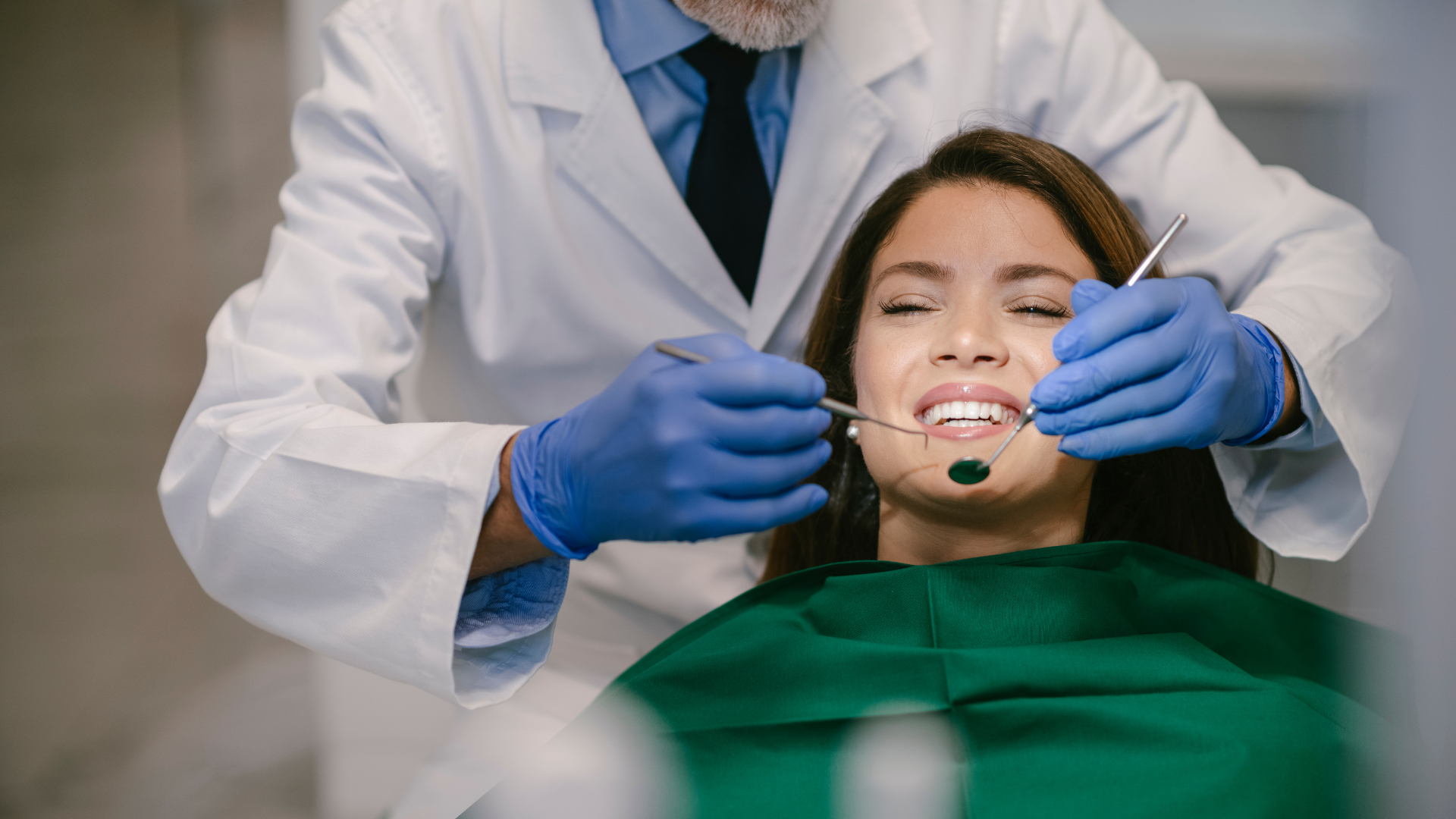
Here's a fun fact most people don't think about: your mouth is one of the busiest environments in your entire body. You're eating, drinking, talking, breathing — all day, every day. And through all of that, a thin, sticky film of bacteria called plaque is constantly forming on your teeth. Brush and floss well, and you knock most of it out. But most isn't all.
The spots you miss — the gum line, between teeth, the backs of your molars — become a problem over time. Plaque that sticks around long enough hardens into tartar (also called calculus), and once that happens, no amount of brushing will remove it. Only a professional cleaning can. That's really the heart of why routine visits matter: it's not that you're doing something wrong, it's that there are limits to what even a great home routine can do.
So what actually happens at a cleaning?
Your hygienist uses specialized tools to scale away tartar buildup, clean along and just below the gum line, and polish the surfaces of your teeth. It typically takes 30–60 minutes and, for most people, is pretty comfortable. If it's been a while since your last visit, there might be a bit more sensitivity — but that's temporary, and it gets easier the more regularly you come in.
Beyond the cleaning itself, the appointment is also a check-in. Your dentist gets a look at how things are going — checking for early signs of gum disease, cavities, worn enamel, and even oral cancer. These things caught early are almost always simple to treat. Caught late, they can become a much bigger deal (and a much bigger expense).
The gum disease connection
This one is worth spending a second on because it surprises people. Gum disease — which starts as gingivitis and can progress to periodontitis — is incredibly common and largely silent in its early stages. Your gums might bleed a little when you brush, or look a bit puffy, and it's easy to brush that off. But untreated gum disease doesn't just affect your teeth; research has linked it to heart disease, diabetes complications, and pregnancy risks.
The good news? Gingivitis is completely reversible with a professional cleaning and better home care. That's it. But you have to come in to catch it.
The "I only go when something hurts" trap
Dental pain usually means something has been going on for a while. A cavity doesn't hurt until it's reached the inner layers of the tooth. Gum disease doesn't get painful until it's progressed significantly. Waiting for a symptom to show up means waiting until the easy window has already closed.
Twice-yearly cleanings are the standard recommendation for most adults, though some people with a history of gum disease or other factors benefit from coming in every three to four months. It's really about staying ahead of problems rather than chasing them.
Think of it less like a chore and more like maintenance — the kind that keeps small things from becoming expensive things.

The Modern Approach to Cosmetic Dentistry in Houston: Where Artistry Meets Precision
Modern approach to cosmetic dentistry in Houston, Texas
Cosmetic dentistry has evolved far beyond simply fixing teeth. Today, the most advanced practices focus on natural aesthetics, minimally invasive techniques, and a deeply personalized patient experience. For patients in Houston, The Woodlands, and Bellaire, this modern approach is redefining what it means to feel confident in your smile.
Rather than chasing trends or one-size-fits-all solutions, contemporary cosmetic dentistry blends science, artistry, and restraint—enhancing what’s already there instead of replacing it.
Cosmetic Dentistry Is About Balance, Not Perfection
A truly beautiful smile isn’t about unnaturally white teeth or perfectly uniform shapes. It’s about balance—how your smile complements your facial features, personality, and expressions.
The American Academy of Cosmetic Dentistry emphasizes that successful cosmetic outcomes rely on harmony between teeth, lips, and facial proportions, not just technical perfection (AACD).
Modern smile design takes into account:
Facial symmetry and proportions
Lip movement and smile dynamics
Tooth shape, texture, and translucency
Individual lifestyle and aesthetic goals
This philosophy ensures results that feel authentic, timeless, and uniquely personal.
Minimally Invasive Dentistry: Preserving What’s Natural
One of the most important advancements in cosmetic dentistry is the shift toward minimally invasive treatments. Today’s techniques prioritize preserving natural tooth structure whenever possible, rather than removing healthy enamel.
According to the Journal of Esthetic and Restorative Dentistry, conservative cosmetic approaches can lead to improved long-term outcomes and patient satisfaction (Wiley Online Library).
Minimally invasive options may include:
Ultra-thin veneers with little to no tooth preparation
Subtle reshaping and contouring
Conservative bonding techniques
For patients in Houston seeking cosmetic dentistry that values longevity and natural integrity, this approach represents the gold standard.
Why Experience and Training Matter in Cosmetic Dentistry
Cosmetic dentistry sits at the intersection of healthcare and art. Advanced training, continued education, and a strong aesthetic philosophy all play a critical role in achieving refined results.
Organizations like the AACD promote ongoing education and peer-reviewed excellence to help dentists stay at the forefront of aesthetic techniques (AACD Accreditation).
For patients, this means:
Access to modern techniques before they become mainstream
A higher level of precision and attention to detail
Thoughtfully designed treatment plans tailored to individual goals
In competitive markets like Houston and The Woodlands, experience and artistry make a noticeable difference.
The Patient Experience Is Part of the Outcome
Modern cosmetic dentistry also recognizes that how you feel during treatment matters just as much as the final result. A calm, intentional environment can significantly reduce dental anxiety and improve overall comfort.
The Cleveland Clinic notes that patient-centered care and clear communication can positively impact trust and treatment outcomes (Cleveland Clinic).
An elevated dental experience often includes:
Unhurried consultations
Clear, collaborative treatment planning
A calming, reassuring atmosphere
Attention to comfort at every step
For many patients, this approach transforms dentistry from something they avoid into something they appreciate.
Cosmetic Dentistry in The Woodlands, Bellaire & Houston
As Houston continues to grow, patients are becoming more discerning about the care they choose. In communities like The Woodlands and Bellaire, there is a growing demand for dentistry that feels both technically advanced and aesthetically thoughtful.
Rather than dramatic transformations, many patients are seeking subtle enhancements—results that friends notice without knowing exactly why. That’s the hallmark of modern cosmetic dentistry: confident, natural, and effortlessly refined.
A Smile That Feels Like You—Only Better
The best cosmetic dentistry doesn’t change who you are. It enhances what’s already there.
By combining minimally invasive techniques, advanced training, and an artistic eye, today’s cosmetic dentistry offers patients a way to feel more confident while staying true to themselves.
For those in Houston, The Woodlands, and Bellaire exploring cosmetic dentistry, choosing a practice that values precision, preservation, and personalization can make all the difference—not just in how your smile looks, but in how it feels.
The Power of Conservative Cosmetic Dentistry in Houston: Enhancing Your Smile Without Overdoing It
In today’s world of cosmetic dentistry, bigger and brighter isn’t always better. More patients are seeking smile enhancements that feel natural, refined, and uniquely their own—results that elevate their appearance without announcing that dental work was done.
This shift toward conservative cosmetic dentistry reflects a deeper understanding of facial harmony, long-term oral health, and the importance of preserving natural tooth structure—especially among patients looking for high-end cosmetic dentistry in Houston, The Woodlands, and Bellaire.
What Is Conservative Cosmetic Dentistry?
Conservative cosmetic dentistry focuses on minimal intervention with maximum impact. Instead of aggressive reshaping or unnecessary drilling, treatments are designed to preserve healthy enamel while achieving subtle, elegant results.
The American Academy of Cosmetic Dentistry (AACD) explains that modern cosmetic dentistry should balance aesthetics, function, and biology to achieve long-lasting, natural-looking outcomes (https://www.aacd.com/what-is-cosmetic-dentistry).
Why Less Can Truly Be More
Natural tooth enamel is irreplaceable. Once it’s removed, it cannot be restored. That’s why conservative approaches emphasize preservation whenever possible.
According to the American Dental Association, maintaining natural tooth structure supports long-term oral health and reduces the likelihood of future invasive dental procedures (https://www.ada.org/resources/research/science-and-research-institute/oral-health-topics/tooth-enamel).
For patients considering cosmetic dentistry in the Houston area, this philosophy often leads to healthier teeth, restorations that age gracefully, and results that feel authentic rather than artificial.
Designing a Smile That Fits You
A natural-looking smile is never one-size-fits-all. Conservative cosmetic dentistry begins with custom smile design, taking into account facial proportions, lip movement, tooth shape, skin tone, and personality.
Research published through the National Institutes of Health shows that smiles perceived as most attractive are those that harmonize with facial features rather than appearing overly uniform or exaggerated (https://www.ncbi.nlm.nih.gov/pmc/articles/PMC4327134/). This individualized approach ensures enhancements feel balanced and personal.
Minimally Invasive Veneers: A Modern Evolution in Cosmetic Dentistry
One of the most significant advancements in conservative cosmetic dentistry is the use of ultra-thin, minimally invasive veneers. These restorations often require little to no drilling, preserving the natural tooth underneath while improving color, symmetry, and proportion.
Clinical studies available via PubMed demonstrate that minimally prepared porcelain veneers can deliver excellent longevity and patient satisfaction when properly planned and bonded (https://pubmed.ncbi.nlm.nih.gov/26024403/). When done well, veneers should reflect light like natural enamel and feel completely comfortable.
A Calmer, Patient-Centered Dental Experience
Conservative cosmetic dentistry isn’t only about technique—it’s also about experience. Patients increasingly seek dental care that feels thoughtful, calm, and collaborative.
The Cleveland Clinic notes that patient-centered care and clear communication can significantly improve trust, comfort, and treatment outcomes (https://health.clevelandclinic.org/patient-centered-care/). This approach aligns closely with the expectations of patients seeking elevated cosmetic dentistry experiences in Houston and surrounding communities.
Who Is a Good Candidate for Conservative Cosmetic Dentistry?
This approach is ideal for patients who want natural-looking smile enhancements, value long-term dental health, and prefer subtle refinement over dramatic change.
The Mayo Clinic emphasizes that cosmetic dental treatments are most successful when they align with a patient’s overall oral health and personal goals—not just appearance alone (https://www.mayoclinic.org/healthy-lifestyle/adult-health/in-depth/dental/art-20047475).
The Long-Term Value of a Natural Smile
Cosmetic dentistry should never feel trendy or temporary. Conservative treatments are designed to age gracefully, maintaining balance and proportion over time.
Psychological research discussed by the American Psychological Association shows that natural appearance and self-confidence are closely linked, reinforcing the value of subtle, authentic enhancement (https://www.apa.org/monitor/nov01/esteem).
Choosing a Cosmetic Dentist in Houston
When considering cosmetic dentistry in Houston, The Woodlands, or Bellaire, it’s important to choose a dentist with advanced cosmetic training, a focus on minimally invasive techniques, and a philosophy rooted in individualized care. Ongoing education, artistic vision, and attention to detail all contribute to predictable, natural-looking results.
Redefined Dentistry. Remarkable Results.
A beautiful smile should feel like a natural extension of who you are—balanced, confident, and timeless.
Discover how a conservative, artistic approach to cosmetic dentistry can enhance your smile while preserving what matters most.
Learn more and begin your journey at https://www.davidfisherdds.com/
___________________________________________________________________________

Smile Design 101: The Aesthetics Behind a Natural-Looking Smile
Redefined Dentistry. Remarkable Results.
With Dr. Fisher, those words are more than a tagline. They reflect a commitment to transforming how people experience dentistry. Redefining dentistry means creating a calm, intentional space where artistry and expertise come together to design smiles that look effortless and feel authentic.
A beautiful smile is never just about teeth. It is about proportion, balance, and how each detail works in harmony with your natural features. At its best, smile design blends subtle enhancement with personal expression, allowing your confidence to shine through in every moment.
The Philosophy of Redefined Dentistry
For Dr. Fisher, dentistry is not simply a profession. It is an art form grounded in precision, creativity, and compassion. Every smile is designed to complement the unique character of the individual. No two smiles are the same, because no two patients are the same.
Rather than striving for a “perfect” or overly polished look, Dr. Fisher focuses on natural elegance. The goal is always to enhance, never to change. A refined smile feels balanced with your face, your features, and your personality.
The Art of a Natural Smile
Creating a natural smile requires a trained eye and a deep understanding of facial harmony. Dr. Fisher considers the shape of your lips, the curve of your jawline, and the way your smile moves when you laugh. These details guide every choice, from the color of your veneers to their shape and proportion.
The artistry lies in subtlety. When done well, no one can pinpoint what changed, only that you look brighter, more confident, and refreshed. That is the beauty of redefined dentistry — results that feel timeless and entirely your own.
The Experience
From the moment you walk in, the experience with Dr. Fisher is designed to feel elevated, thoughtful, and personal. Every step of the process is guided by care and precision, ensuring comfort and trust along the way.
Patients often describe the transformation as life-changing, not just in how they look but in how they carry themselves. Seeing your new smile for the first time is more than a reflection of cosmetic change. It is a reflection of confidence rediscovered.
Redefined Dentistry. Remarkable Results.
A smile should never feel artificial. It should feel like you at your very best.
Through artistry, experience, and attention to detail, Dr. Fisher creates smiles that are natural, balanced, and timeless.
Discover how redefined dentistry can transform not just your smile, but the way you see yourself.
Get started today with Dr. Fisher and his team: https://www.davidfisherdds.com/
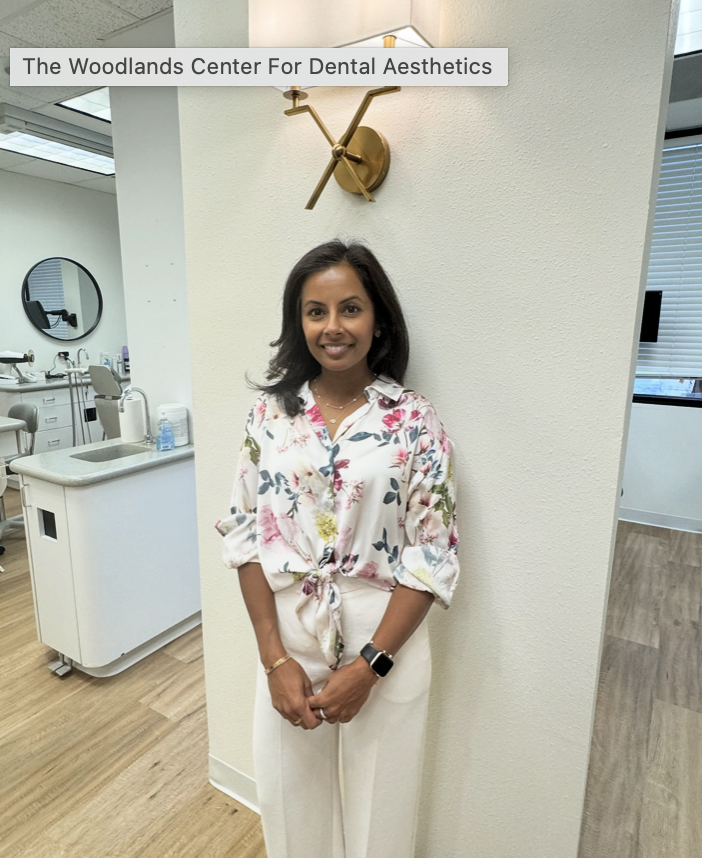
Meet Dr. Alfi — Our New Dentist in Bellaire!
There’s a new smile lighting up our Bellaire office — and it belongs to Dr. Alfi, the newest member of the David Fisher DDS team!
We’re so excited to welcome Dr. Alfi, who brings exceptional skill, warmth, and a modern touch to patient care. Her approach is centered on creating beautiful, healthy smiles through precision dentistry and genuine connection. From preventive care to cosmetic transformations, she believes dentistry should be as comfortable and personal as it is effective.
Patients love her calm, caring demeanor and her ability to make even the most anxious visitors feel at ease in the chair. She takes time to listen, explain, and tailor each treatment plan to your unique needs — because no two smiles (or patients) are the same.
With Dr. Alfi joining Dr. Fisher in Bellaire, we’re expanding appointment availability and offering even more comprehensive, patient-centered care — right in the heart of your community.
If it’s been a while since your last visit or you’re ready to explore a smile upgrade, now’s the perfect time to come in, meet Dr. Alfi, and experience what redefined dentistry truly feels like.
📅 Book your appointment today and help us welcome Dr. Alfi to the David Fisher DDS family!
🦷 Dr. David B. Fisher D.D.S.
☎️ (713) 667-8080
🔗 https://davidfisherdds.com
📩 dfisherstaff@gmail.com
📍 Bellaire & The Woodlands, TX
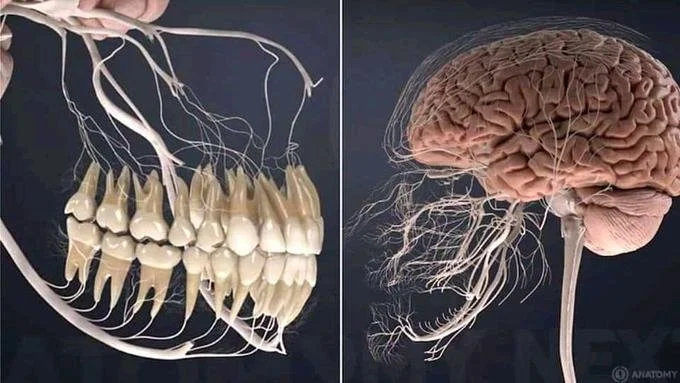
The Mouth-Brain Connection: Why Oral Health Impacts More Than Your Smile
We often think of oral health as separate from the rest of the body, but your mouth is far more connected to your overall health than most people realize. In fact, your mouth can act like a mirror, reflecting what’s going on in the rest of your body. One of the most important and fascinating connections is between your mouth and your brain.
How Your Mouth Communicates with Your Brain
Your mouth isn’t just where digestion starts. It’s also home to millions of bacteria. While many of them are harmless (and even helpful), harmful bacteria from gum disease or tooth decay can enter the bloodstream and travel to other parts of the body, including the brain.
When that happens, it can trigger inflammation, which plays a major role in several neurological conditions. Studies have shown links between chronic gum disease (periodontitis) and conditions such as Alzheimer’s disease, dementia, and even stroke.
The Role of Inflammation
Inflammation is your body’s natural defense mechanism. But when it becomes chronic, like in untreated gum disease, it can have serious consequences.
Researchers have found evidence that the bacteria responsible for gum disease, Porphyromonas gingivalis, can cross the blood-brain barrier and potentially contribute to the buildup of amyloid plaques, a hallmark of Alzheimer’s disease.
While research is ongoing, the message is clear: keeping your gums healthy may be one of the simplest ways to protect your brain.
Oral Health and Cognitive Function
Beyond inflammation, poor oral health can also affect how well you think and feel. Chronic infections and missing teeth can make it harder to eat nutrient-rich foods, affecting brain function over time. Additionally, pain, sleep disruptions, and chronic stress from oral health problems can impact concentration and memory.
Protecting Both Your Smile and Your Mind
The good news? Preventive dental care is one of the most powerful tools you have to protect your overall health.
Here’s how you can support both your mouth and brain:
Brush twice daily with fluoride toothpaste and floss every day.
Keep your regular dental visits for professional cleanings and early detection of gum issues.
Eat a balanced diet rich in antioxidants and omega-3 fatty acids to fight inflammation.
Avoid smoking and excess sugar, both of which can accelerate gum disease.
The Bigger Picture
At our office, we believe in looking at your oral health as part of your whole-body wellness. Your mouth isn’t just the gateway to your smile; it’s the gateway to your brain and your entire system. By taking care of one, you’re protecting the other.
If it’s been a while since your last cleaning, consider this your sign to schedule one. Your smile and your brain will thank you.
🦷 Dr. David B. Fisher D.D.S.
☎️ (713) 667-8080
🔗 davidfisherdds.com
📩 dfisherstaff@gmail.com
📍 Bellaire & The Woodlands, TX.

5 Subtle Signs You Might Need a Dental Visit (Even If Nothing Hurts)
5 Subtle Signs You Might Need a Dental Visit (Even If Nothing Hurts)
When it comes to dental care, many people wait until there’s pain before scheduling an appointment. But the truth is, great oral health is about prevention, not reaction. At David Fisher DDS, we believe dentistry should be elegant, comfortable, and proactive.
Here are five subtle signs it might be time to see your dentist, even if everything seems fine:
1. Your Breath Isn’t as Fresh as It Used to Be
Chronic bad breath isn’t just a nuisance, it can signal underlying gum disease, dry mouth, or infection. If brushing and flossing aren’t solving the issue, a deeper dental cleaning or diagnostic check may be needed.
2. You’ve Noticed a Little More Sensitivity
If hot coffee or cold drinks suddenly make you wince, it could be a sign of enamel wear, gum recession, or even a cracked tooth. Sensitivity is your mouth’s way of whispering that something’s off.
3. Your Gums Bleed When You Floss
A little blood might seem harmless, but it’s often an early sign of gingivitis. The good news? It’s highly treatable when caught early—before it becomes something more serious like periodontal disease.
4. You’re Clenching Without Realizing It
If you wake up with jaw tightness or notice flattened or chipped teeth, you could be grinding at night. We offer custom night guards and treatment options to prevent long-term wear and facial pain.
5. It’s Been More Than 6 Months
Even if everything feels fine, routine cleanings and exams help us catch small issues before they become big problems. Your dental health plays a major role in your overall wellness.
Elegant Dentistry. Remarkable Results.
Whether you’re due for a cleaning or curious about cosmetic enhancements, we’re here to make your next dental visit feel like a breath of fresh air.
Dr. David B. Fisher D.D.S.
(713) 667-8080
https://davidfisherdds.com
dfisherstaff@gmail.com
Bellaire & The Woodlands, TX

What Are Porcelain Veneers and Are They Right for You?
It all begins with an idea.
If you’ve ever looked in the mirror and wished for a straighter, whiter, or more balanced smile, porcelain veneers might be the solution. At David Fisher DDS, we craft customized veneers with both precision and artistry, helping our patients achieve natural-looking, elevated smiles.
Here’s what you should know about this transformative treatment:
What Are Veneers?
Porcelain veneers are ultra-thin shells of medical-grade ceramic that bond to the front of your teeth. Designed to mimic the clarity and texture of natural enamel, veneers can correct a wide range of cosmetic concerns, including:
Discoloration or stains that don’t respond to whitening
Chips, cracks, or worn enamel
Minor gaps or crowding
Uneven tooth shape or size
The Process: What to Expect
At our office, the veneer process is tailored to you from start to finish:
Consultation: We begin with a comprehensive exam and a conversation about your smile goals.
Preview: You’ll get a digital or mock-up preview of your new smile before we begin treatment.
Preparation: A minimal amount of enamel is gently removed to ensure a seamless fit.
Placement: Your custom veneers are bonded with precision for long-lasting beauty and strength.
Are Veneers Right for Everyone?
Veneers are ideal for patients with healthy teeth and gums who want to enhance their smile’s appearance. If you have underlying issues like gum disease or severe alignment problems, we may recommend treating those first before proceeding.
A Subtle, Lasting Transformation
When cared for properly, porcelain veneers can last 10 to 15 years or more. They are stain-resistant, durable, and designed to feel just like your natural teeth.
Let Your Smile Speak for You
Our approach to cosmetic dentistry is never rushed and never generic. At David Fisher DDS, we create refined, elegant results that feel just right for you.
Dr. David B. Fisher D.D.S.
(713) 667-8080
https://davidfisherdds.com
dfisherstaff@gmail.com
Bellaire & The Woodlands, TX